
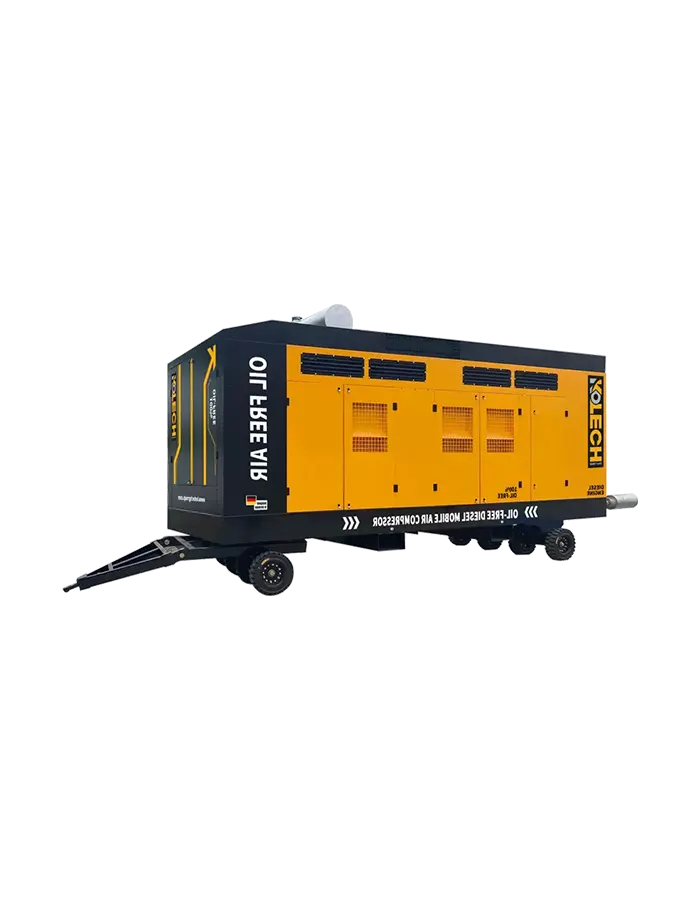

Middle East Desert Open-Pit Drilling Compressor Solution
A large copper mining operation in Saudi Arabia faced extreme heat, sandstorms, and off-grid power shortages. They deployed Kotech diesel-powered mobile compressors for blast hole drilling. Our units with high-temperature protection and multi-stage air filtration delivered 25 bar of consistent pressure, cutting downtime by 40% and reducing fuel consumption by 28%.
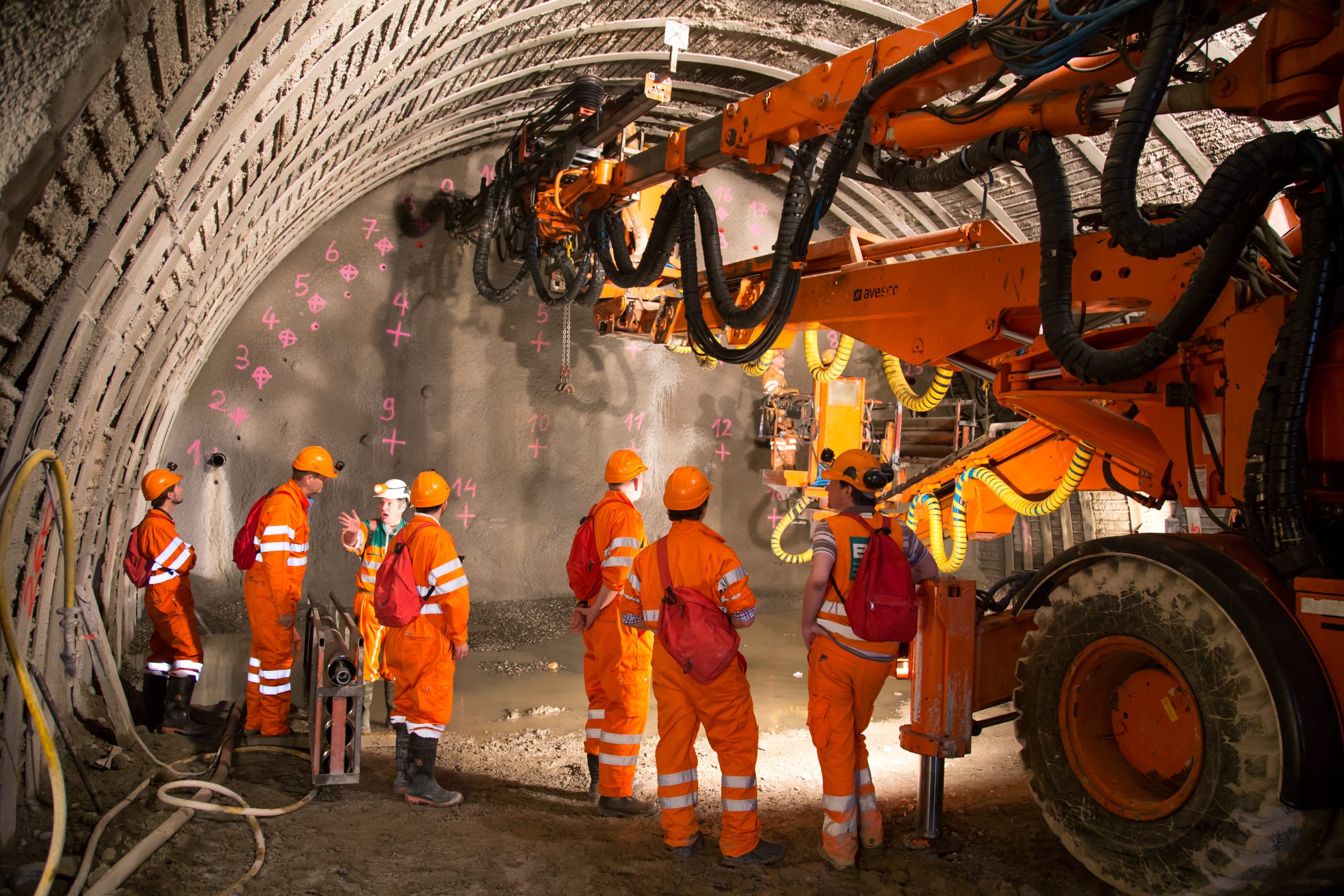
South Africa Deep Gold Mine Ventilation Compressor System
A 3,000m-deep gold mine in South Africa required explosion-proof, oil-free air for underground ventilation and methane extraction. Kotech custom-built electric compressors with ATEX certification and variable speed drives (VSD) ensured 24/7 safe air flow, meeting strict mining safety standards and lowering energy costs by 35%.
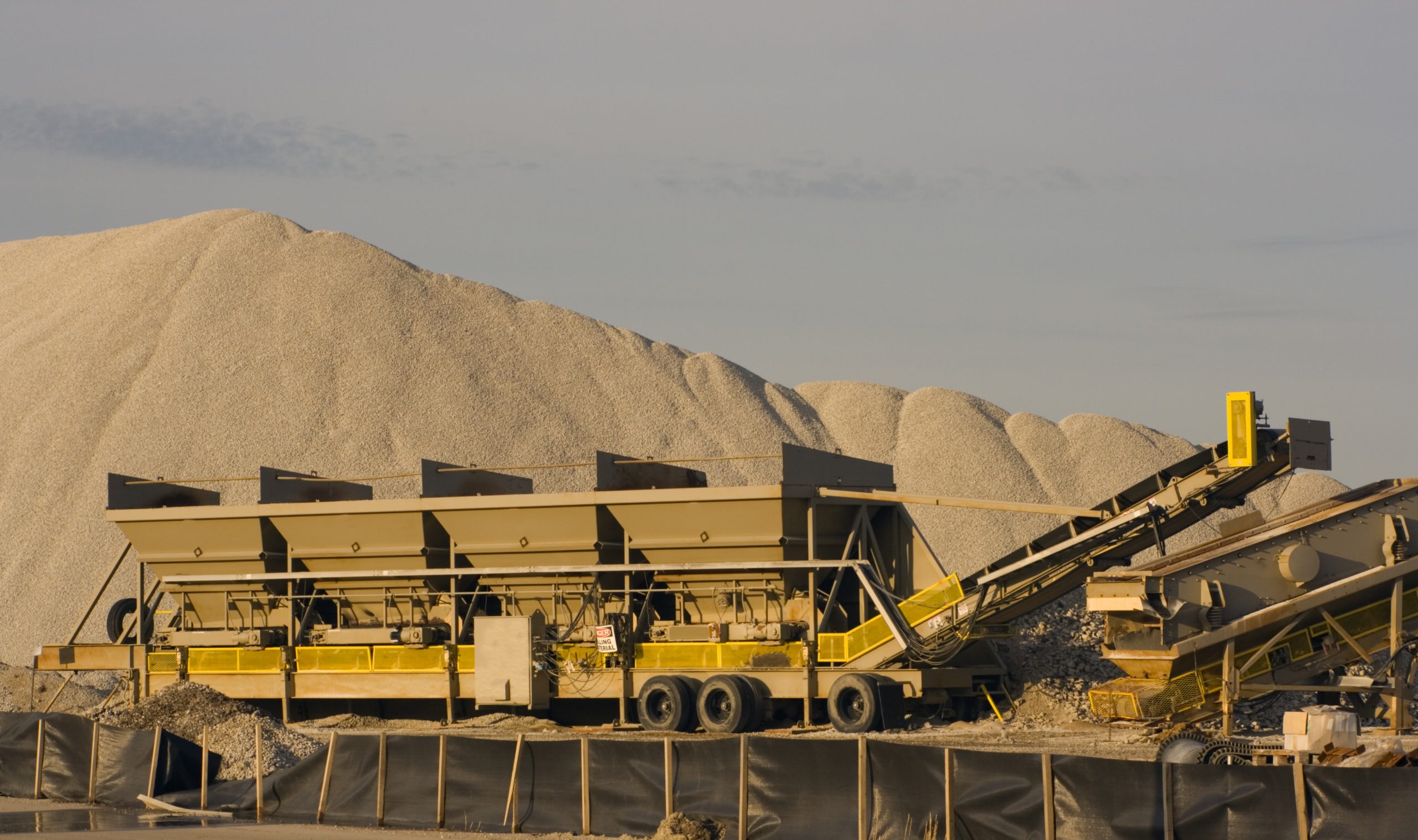
South America High-Altitude Copper Processing Compressor Solution
A copper mine in the Andes Mountains (4,500m altitude) struggled with low air density and unreliable power for mineral flotation. Kotech stationary electric compressors with high-altitude calibration and IP65 enclosures delivered stable oil-free air for processing operations, improving production efficiency by 22% with minimal maintenance.
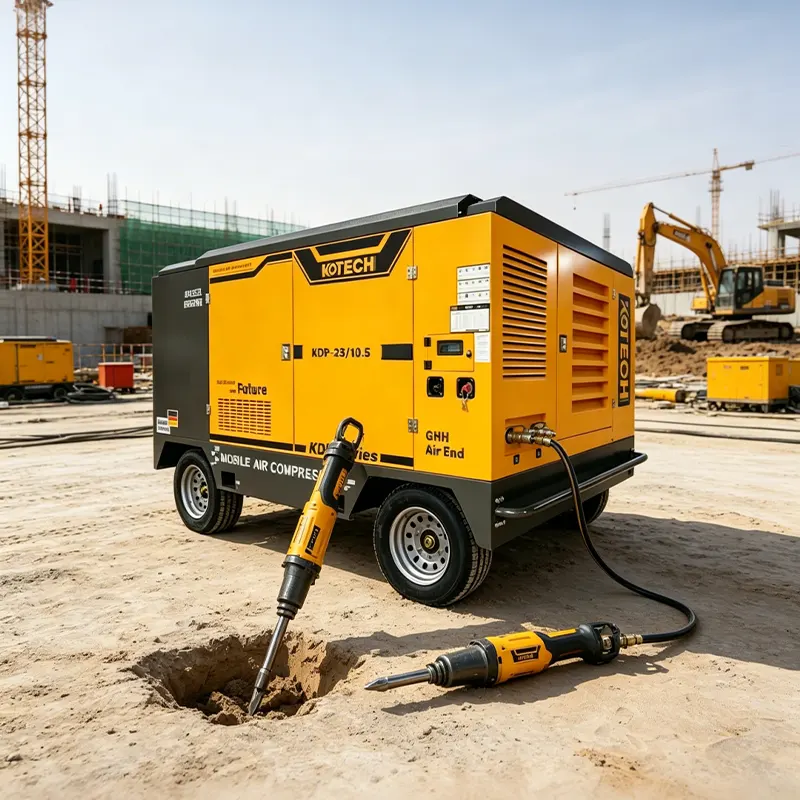
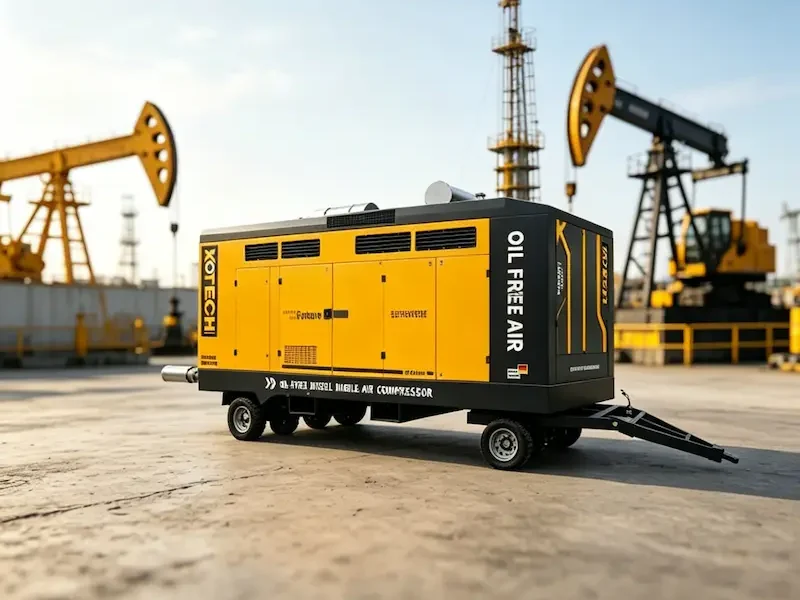
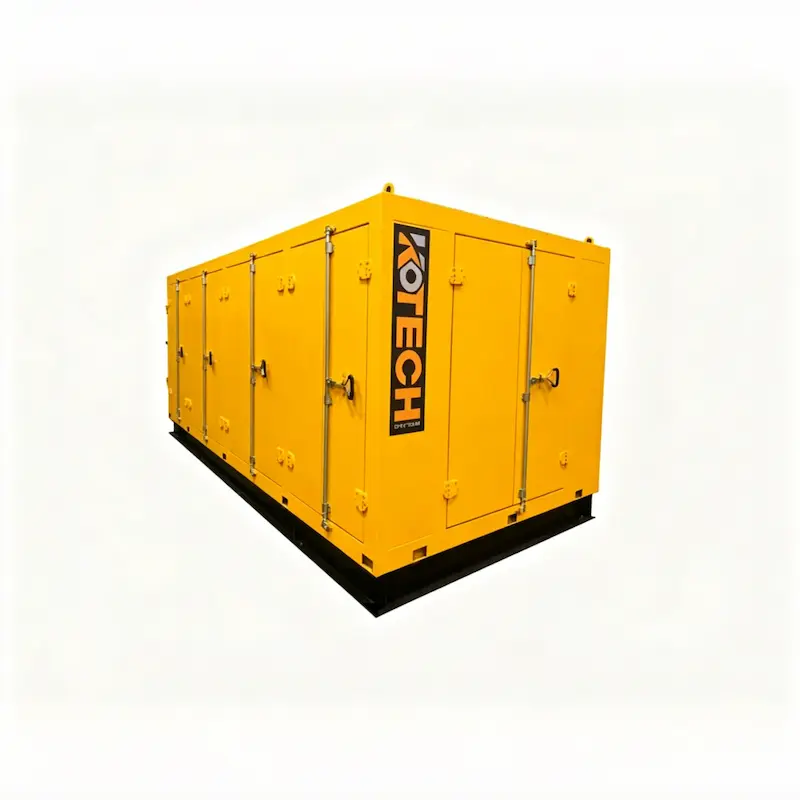
“Our desert drilling operation was losing hours every week to compressor breakdowns from heat and sand. Since switching to Kotech’s high-temperature diesel compressors, we’ve seen 40% less downtime and fuel costs dropped by 28%. Their 24/7 support team even helped us with custom filtration upgrades for our site conditions.”

“Our deep underground mine needed explosion-proof air compressors that could handle 3,000m depth. Kotech’s VSD electric units meet all our safety standards, and their variable speed drives cut our energy bills by 35%. Reliable air flow is non-negotiable for us, and these units have delivered 100% uptime.”

“At 4,500m altitude, most compressors struggle with low air density. Kotech calibrated their stationary units for our high-altitude copper processing plant, and we now get consistent, oil-free air for flotation. Production efficiency is up 22%, and the IP65 enclosures hold up perfectly in our harsh mountain conditions.”

- Compressed Air for Refinery Use: Selecting a Safe, Reliable SystemA refinery compressed air system should be selected around the end-use air class, site area classification, duty cycle, ambient conditions, and required air quality. Instrument air generally needs dry, filtered, non-lubricated or highly purified air, while plant air can tolerate a broader specification when properly separated and treated. The preferred solution is usually a continuous-duty rotary screw arrangement with backup capacity, dryers, filtration, receivers, and controls matched to the actual demand profile.
- Compressor Aftercooler and Moisture Separator Maintenance in Dusty Quarries
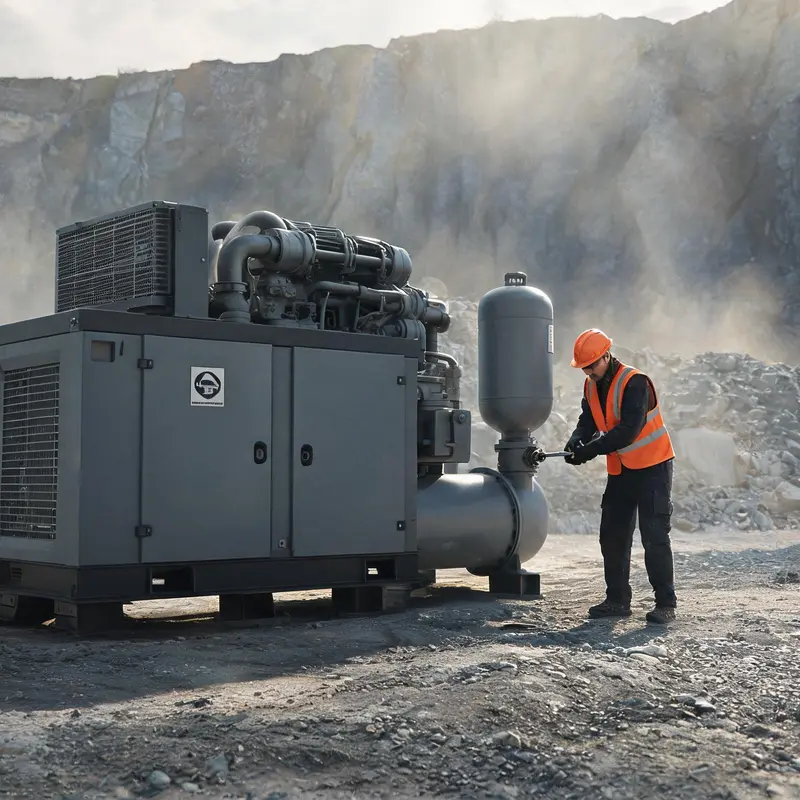 In dusty quarries, aftercoolers and moisture separators protect downstream tools, piping and process equipment by cooling discharge air and removing condensate. Dust loading on cooler surfaces, blocked drains and internal separator fouling can quickly reduce cooling, raise pressure drop and allow water carryover. A simple inspection, cleaning and drain-testing routine can prevent most avoidable failures.
 - Air Receiver Tank Sizing for Mining Compressed Air Systems
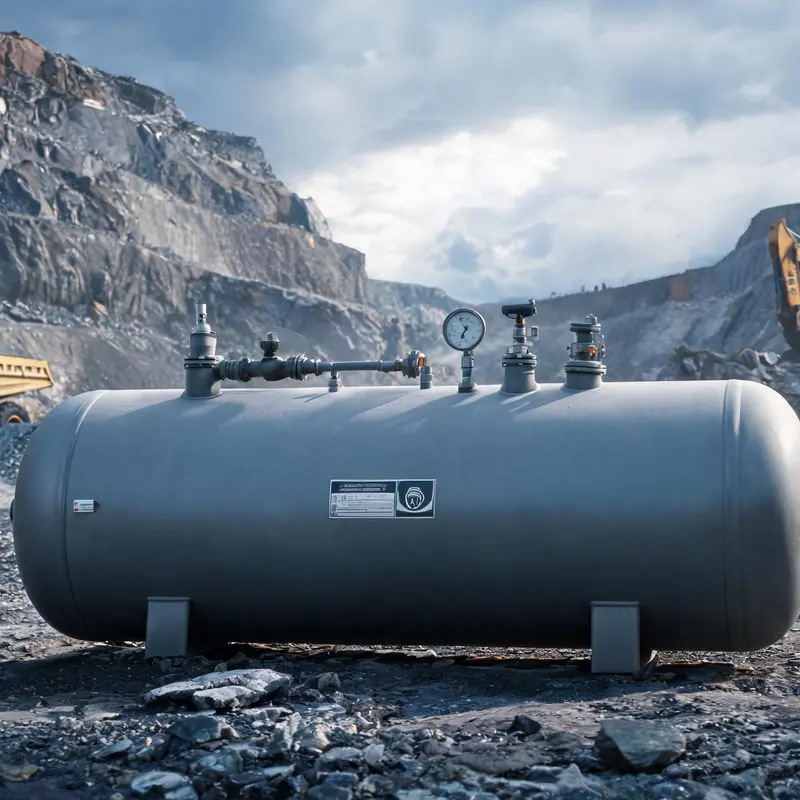 Correct receiver sizing balances compressor output with variable mining demand, reduces cycling, and protects pressure at remote working faces. Storage should be based on air demand patterns, allowable pressure swing, compressor control type and site layout rather than tank size alone. Most mining systems benefit from checking both wet storage near the compressor and dry storage near intermittent loads.
 - Nitrogen Booster Compressor Selection for Well Unloading: Practical Sizing Guide
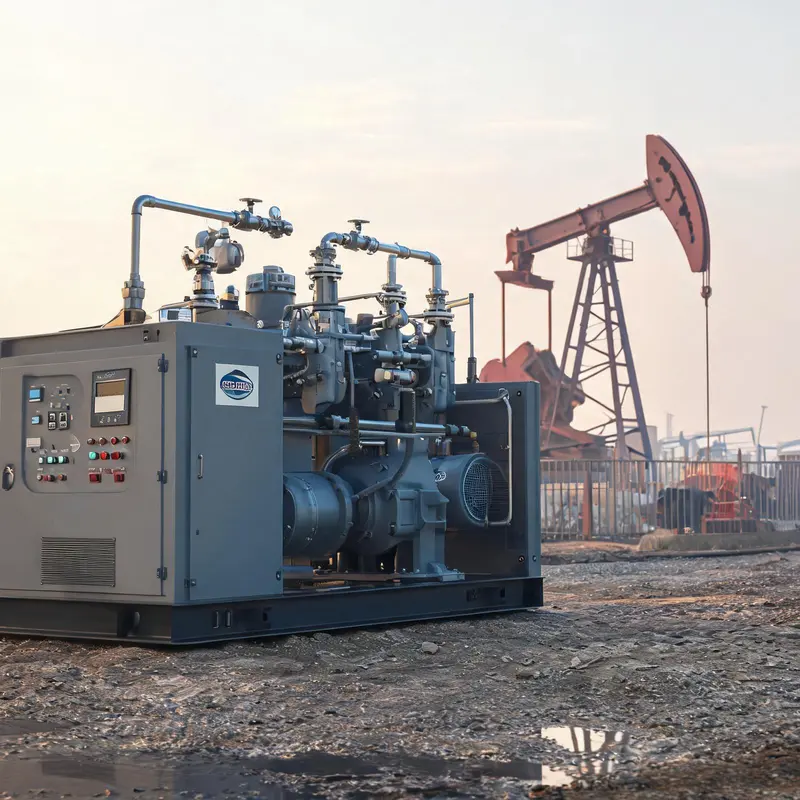 Selecting a nitrogen booster compressor for well unloading requires matching discharge pressure and flow to the well program, then confirming gas quality, drive type, site conditions and safety features. A suitable package should deliver stable nitrogen pressure during lift operations while handling transient loads, dirty environments and transport between locations. Reliability, filtration, cooling and service access should be evaluated before purchase or rental.
 - Compressed Air: Core Applications for Oil and Gas Facilities
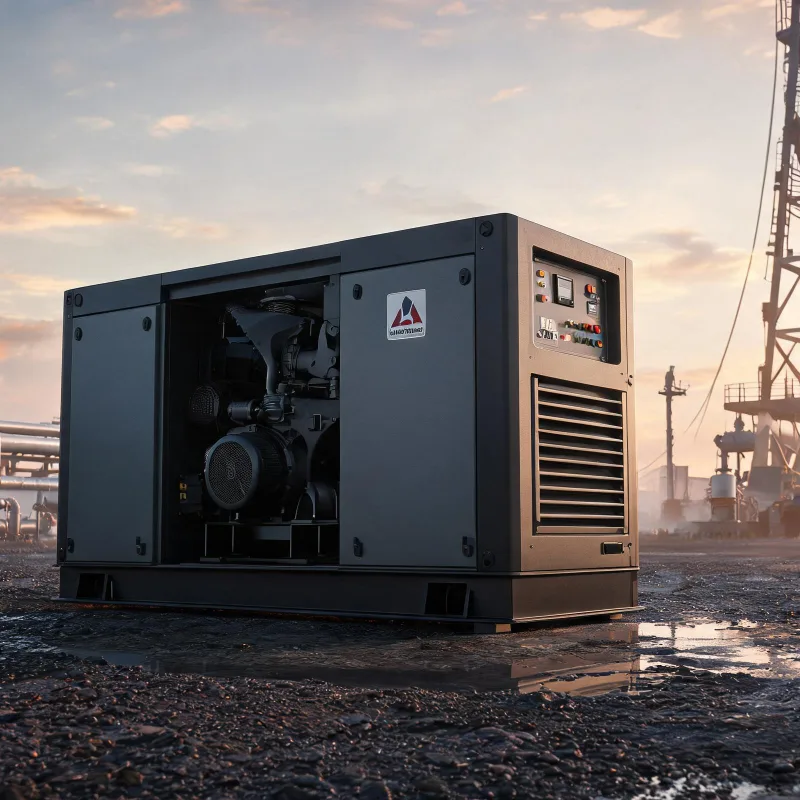 This article breaks down the highest-impact uses of compressed air systems across extraction, processing and refining oil and gas facilities, draws on 2023 and 2024 verified industry data to highlight current regulatory and operational trends, addresses common pain points and provides actionable guidance for facility managers. It also covers clear boundary conditions where certain applications are not suitable to help teams avoid costly safety and operational errors.
 - Oil & Gas Air Compressor Applications — Which Compressor Type Fits Best
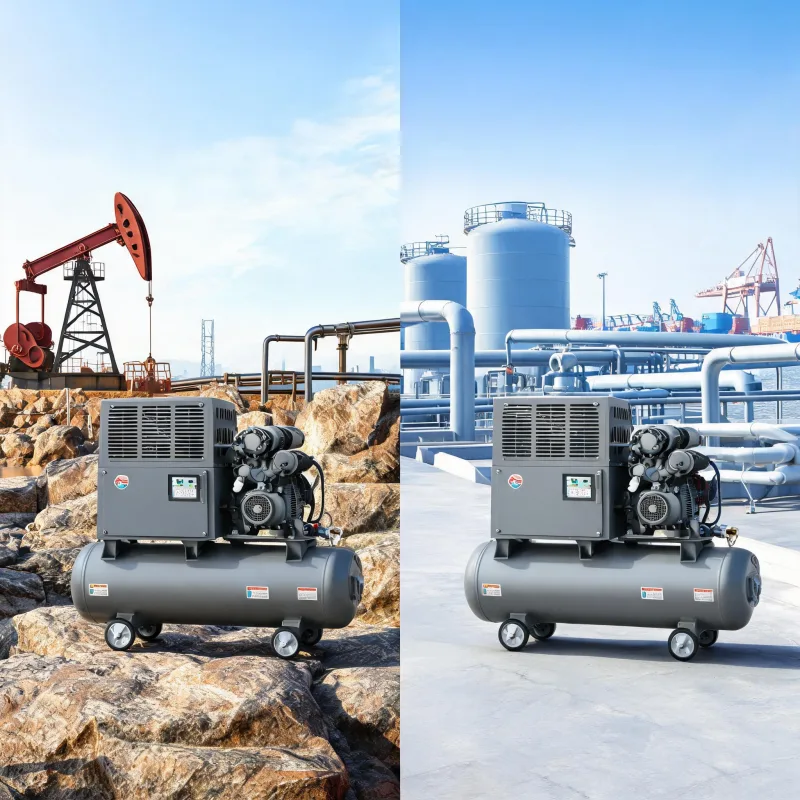 This guide breaks down air compressor use cases across upstream, midstream, and downstream oil and gas operations to help operators select the right equipment for their needs. It draws on recent industry data from leading global energy research institutions to back recommendations and addresses common pain points like reliability, compliance, and operating cost. It also clearly outlines boundary conditions where common recommendations do not apply to help operators avoid costly mispurchases.
 - Understanding Oil & Gas Air Compressor Applications and System Selection
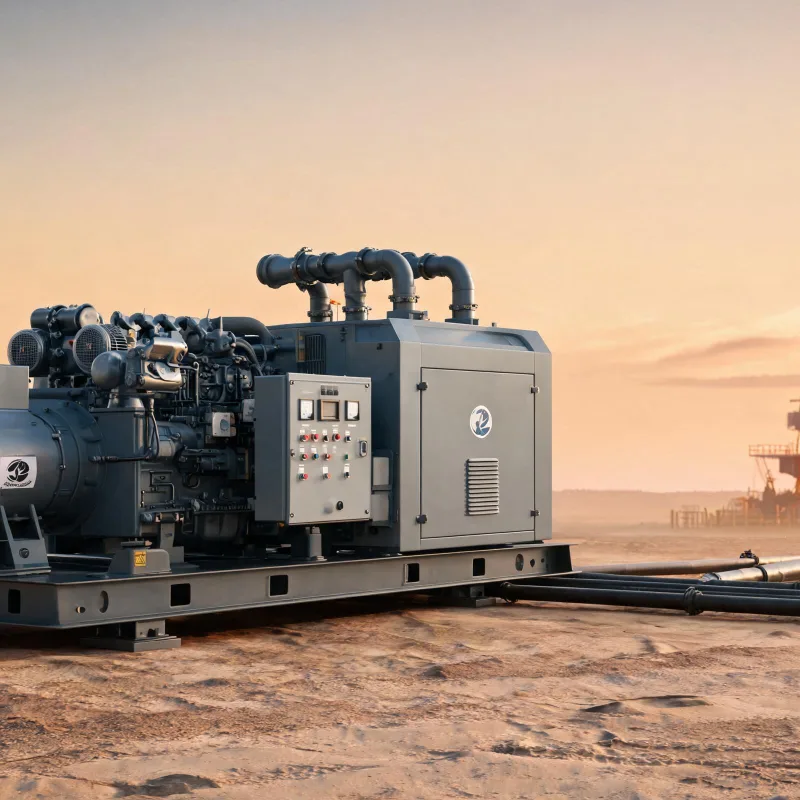 This article breaks down common use cases of air compressors across upstream, midstream and downstream oil and gas segments, and provides actionable selection guidance based on 12 years of field experience. It incorporates recent verified industry data to address common pain points like unplanned shutdowns, excessive operational costs and compliance failures. It also outlines clear boundary conditions to help readers avoid common selection mistakes.
 - Multi‑Stage Air Filtration Mining Compressors Extend Service Life in Sandstorm Desert Mines
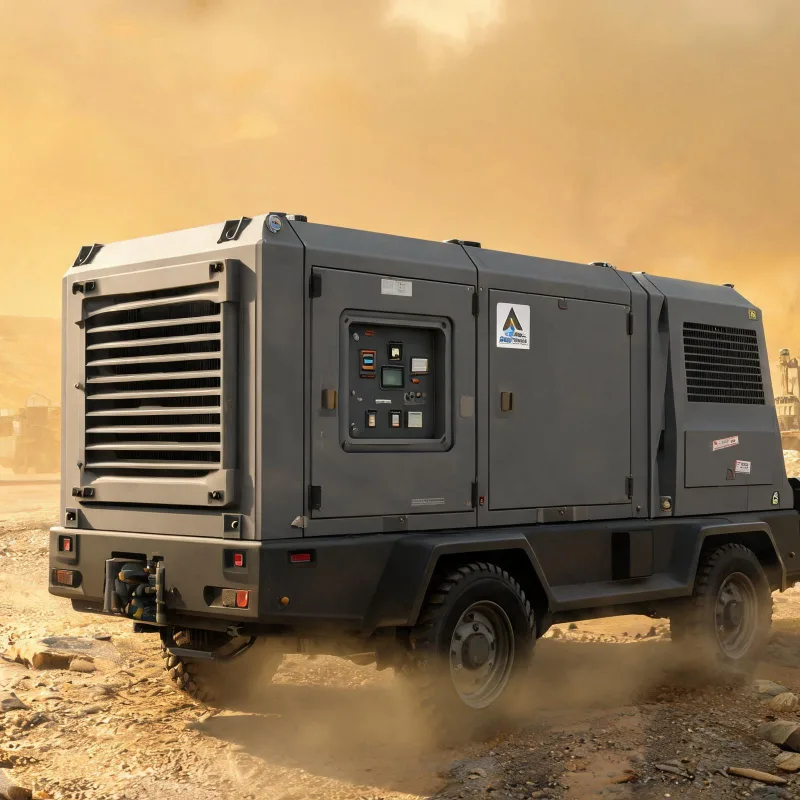 Desert sandstorm mines face consistent high particulate loads that clog compressor intake systems, leading to premature wear and unplanned downtime. This guide breaks down stakeholder priorities for terminal operations, maintenance teams, and procurement teams when deploying multi-stage filtration compressors, with verified industry data to back recommendations. We also cover boundary conditions where this technology does not deliver expected gains, and provide actionable steps for all parties to align on investment and maintenance.
 - Lifecycle Cost Analysis of Heavy‑Duty Mining Air Compressor Systems for Hard Rock Mines
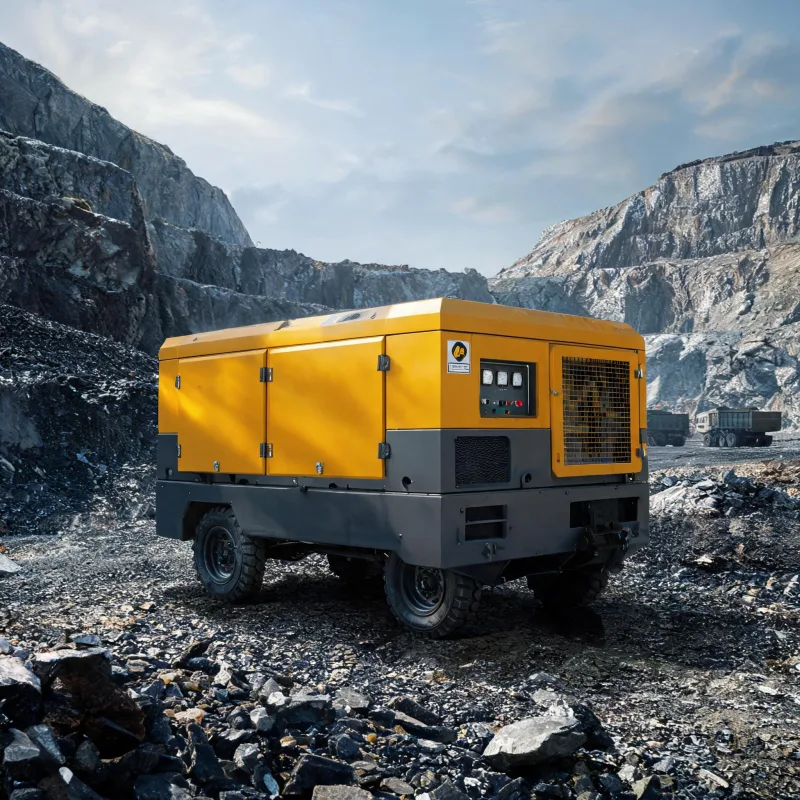 This article presents a lifecycle focused cost analysis for stationary heavy-duty air compressor systems used in underground hard rock mines. Written from the perspective of a 12+ year senior mining equipment service expert, it outlines a structured phased upgrade path to reduce long-term operating costs and unplanned downtime. It combines recent industry data from leading global mining institutions to define clear decision boundaries and actionable steps for maintenance and upgrade teams.